When summer pushes hard and budgets run tight, a quality-first mindset keeps cooling steady. Begin with simple questions and map the few tasks that matter most. For new systems or major upgrades, ac installation may also be in play, so compare timelines and pressure-test choices. Focus on airflow first, because these small details ripple through comfort and cost. Your home behaves like a system, and every room tells you something. If one bedroom lags, note it and trace the pattern. Capture details early, then weigh risks before calling a tech. That prep reduces rework. A measured approach this week trims waste, protects equipment, and keeps energy bills from creeping higher. It’s a steady method to stay cool.
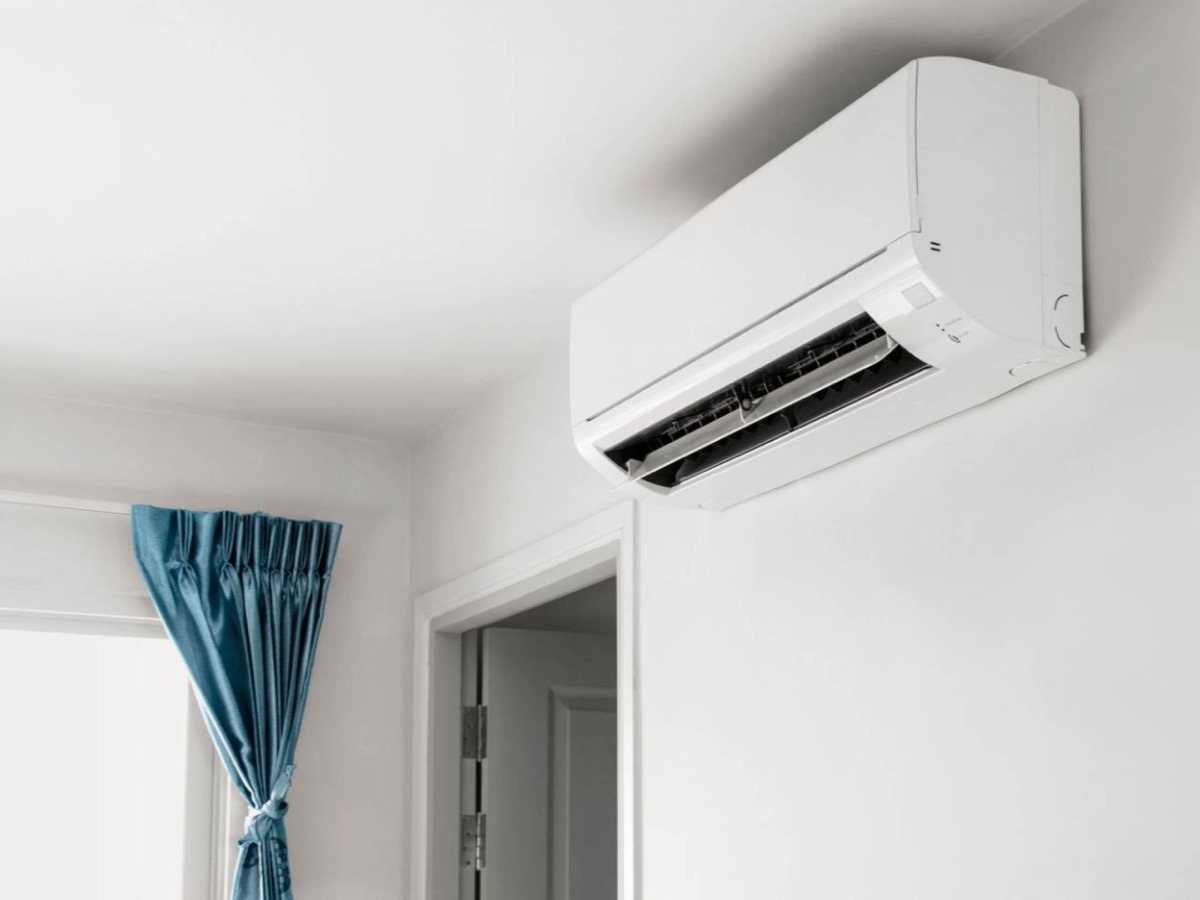
Map scope early to reduce rework and scheduling slip
Good cooling begins with tight scope. You can sketch room loads and note hot spots, then compare choices at ac repair Clearwater before you confirm timing. Write down what you hear like rattles, short cycles, or warm supply air. Note coil age and gather model numbers. Pick a window that avoids midday heat, because crews move faster when attic temps are lower. It keeps your day on track. You’ll know what success looks like.

Break scope into must-do items and nice-to-haves. Rebalance two stubborn vents may rank above cosmetics. When pollen peaks, schedule filter swaps after dusty tasks. Share power access so techs don’t lose minutes. A tidy site speeds diagnosis. You’ll get firmer time windows since details reduce padding.
Choose durable parts and clean inputs to protect results
Your system runs on airflow working together. You can review blower specs, confirm filter MERV, and compare coil cleaners at ac repair Clearwater for a safer choice. Avoid harsh acids near fin stock to prevent bends. Check fuse sizes against the nameplate. Oversized fuses risk motors. Little inputs steer outcomes. They decide comfort in August.
Stock spares before the visit. One drain tablet pack can save a return trip. When algae builds in the trap, plan a safe flush and slope check. Note attic hatches to guide the crew. A simple kit means fewer delays and stronger outcomes. Your future self will thank you as pressures settle.
Coordinate tasks and day-of windows for smooth, low-stress work
A realistic schedule keeps heat from winning. You can block two-hour windows, text neighbors, and confirm pet plans at ac repair Clearwater to avoid door delays. Shift cooking loads to lighten the system during service. Unlock side gates to open paths. Fast staging cuts idle time. Comfort returns faster.
Sequence tasks to guard quality. Test first, fix second, and verify last. Run a baseline temp split before turning screws. Once coils shine, repeat the same readings and compare. Matching data locks progress. It’s a steady loop that holds, even on busy days.
Lock quality and lower waste with measurable verification
Great results come from proof. You can photograph gauge sets, log delta-T, and save filter dates at ac repair Clearwater for future checks. Aim for a 16–22°F split in cooling mode. If humidity climbs, look for airflow or charge gaps. Numbers speak clearly. You get repeatable comfort.
Build a practical checklist. Prime traps before leaving the site. Tighten lugs to head off shorts. Nudge setbacks to tame late-day spikes. This tight finish closes loops. The next heat wave feels smaller since leaks were stopped early.
Align household needs and tech insights for smoother communication
Cooling is personal, and habits shape loads. You can gather sleep times, home-office hours, and noise limits at ac repair Clearwater so the plan respects real life. Explain attic work windows to pick safer materials. If a baby naps at noon, push loud steps earlier. Good notes avoid friction. Comfort follows the calendar.
Close feedback loops quickly. Show readings in plain language. Mark the next check on a fridge note. Ask for one cooling cycle before packing up. A lived-in check finds gaps. The result sticks longer when users feel heard.
Keep care steady to extend life and cut surprises
The quiet hero is routine upkeep. You can set seasonal filter swaps, drain cleanings, and coil checks at ac repair Clearwater for steady performance. Pair checks with bills to stay on track. If toys block returns, clear them weekly. Small minutes now prevent hours later. Comfort stops yo-yoing.
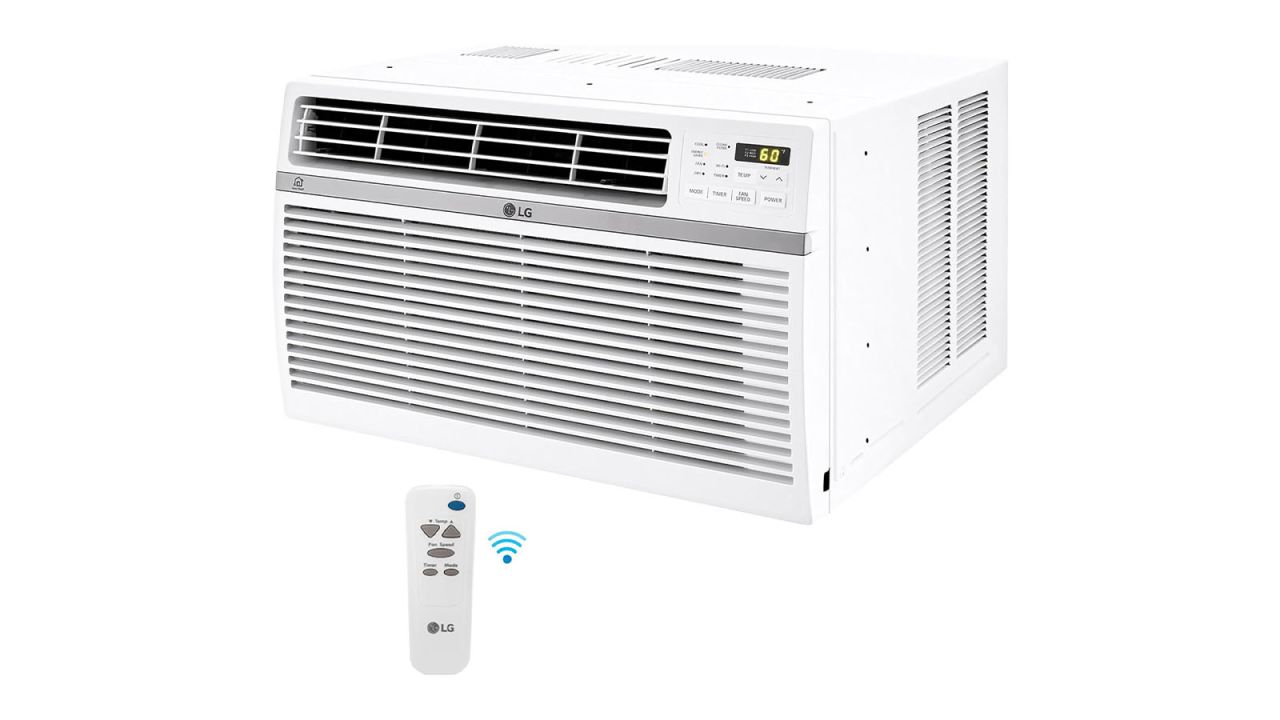
Watch the smells. A new hum means it’s time to test. Seal new gaps after storms or attic work. Keep last year’s readings to spot change. Care buys quiet nights. That’s how systems age well without drama.
Conclusion
Cooling that lasts starts with tight scope, clean inputs, and a calm schedule. Then it holds steady through proof-driven checks and clear, user-centered handoffs. Carry that same care into ongoing maintenance, and you’ll keep comfort stable while costs stay in line. Scope clearly, measure often, and relax into reliable cooling.